
Nail Trimming
Gentle, Stress-Free Paw Care for Dogs and Cats
Overgrown nails can make walking uncomfortable for pets and may lead to broken nails, posture changes, or slipping on floors. Many families find nail trims difficult to do at home, and that’s completely normal. Pets often pull away, get anxious, or associate nail trimming with stress.
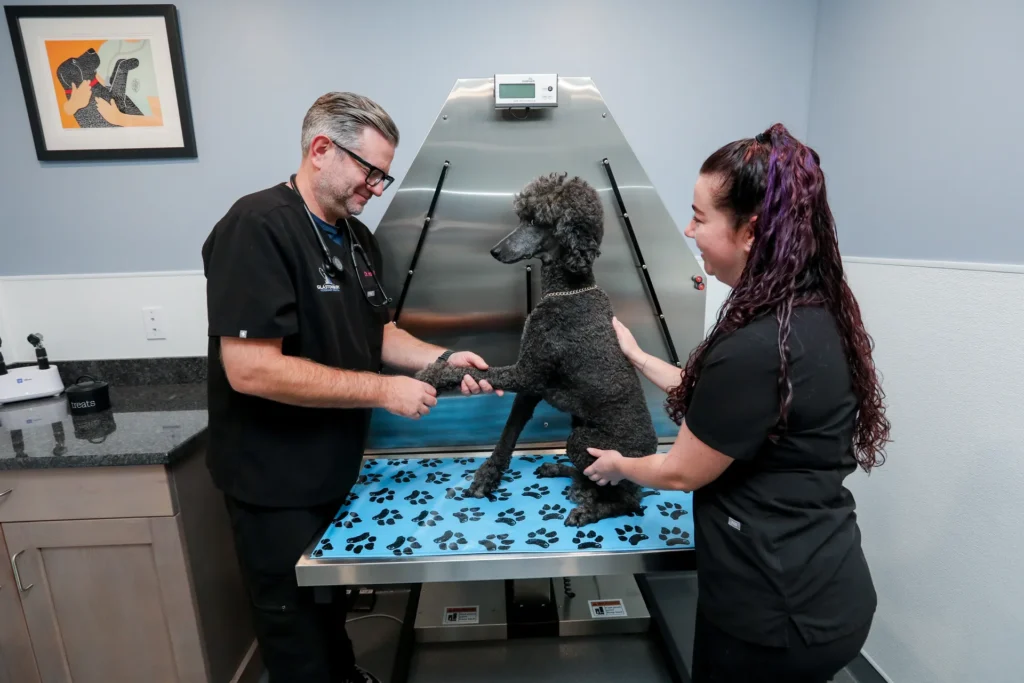
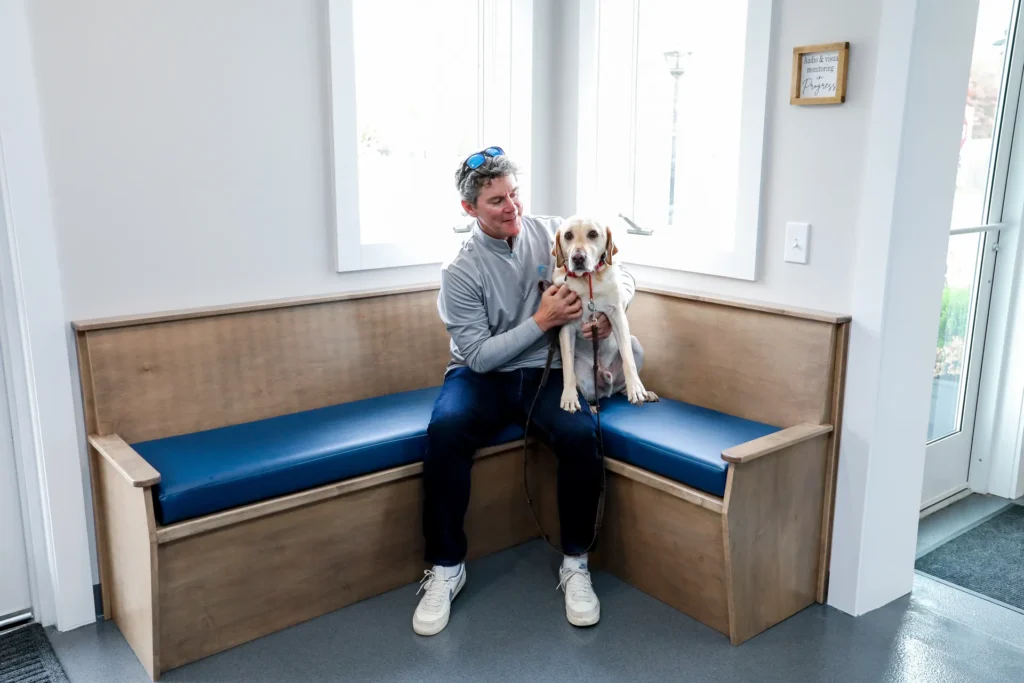
At Glastonbury Veterinary Hospital, we make nail care easier for everyone. Our trained team uses stress-free handling and never overrestrains pets, creating a calm, treat-filled experience that helps dogs and cats feel safe and comfortable.
Nail Care
Nail Care for Dogs
Dogs may show they need a trim by:
- Clicking on hard floors
- Avoiding slippery surfaces
- Licking or chewing at their paws
- Hesitating on stairs
Some dogs are nervous about nail trims, while others simply wiggle too much to safely trim at home.
Our team uses calm handling and plenty of reassurance to help your dog feel safe and supported.
Nail Care for Cats
Cats instinctively hide discomfort, so nail issues can go unnoticed until they snag carpets or develop curled nails that press into their paw pads, especially in older cats.
We use cat-friendly handling, gentle restraint only when needed, and a quiet environment to keep the experience low-stress.
Why Professional Nail Trims Help
- Reduce stress for both pets and owners
- Prevent injuries and broken nails
- Help maintain healthy posture and mobility
- Especially helpful for senior pets or pets who dislike handling
- Ensure trimming is done safely and at the right length
Pet Nail Trimming in Glastonbury, CT: Your Questions Answered
Clear answers to the questions Glastonbury pet owners ask us most.
How often should my dog's nails be trimmed?
Most dogs need a nail trim every three to six weeks. If you can hear nails clicking on the floor, it is usually time. Active dogs that walk on pavement may need trims less often.
Do cats need nail trims?
Yes, especially indoor and senior cats. Overgrown nails can curl into the paw pad. Regular trims also protect furniture and help keep scratches gentle.
What if my pet is nervous about nail trims?
Our team uses calm, low-stress handling, treats, and breaks as needed. For very anxious pets, we can discuss calming options. Our behavior guidance page has more tips.
What happens if I cut my pet's nail too short?
Cutting into the quick can cause bleeding and pain. If it happens, apply gentle pressure with styptic powder or cornstarch. Our team can show you how to trim nails safely at home.
Do I need an appointment for a nail trim?
Yes, please book online or call (860) 633-3588. Nail trims can also be done during your pet’s wellness exam. For more grooming tips, see the AVMA pet owner resources.
Why are long nails a problem for pets?
Overgrown nails can change the way a pet walks, put strain on joints, catch and tear, or curl into the paw pad. Keeping nails short supports comfortable movement, especially for senior pets with arthritis.
Do you trim dewclaws too?
Yes. Dewclaws do not touch the ground, so they do not wear down naturally and can grow into a curl. We always check and trim dewclaws during a nail trim.
Can nail trims be done at the same time as other care?
Yes. We often trim nails during wellness exams, vaccine visits, or while a pet is sedated for another procedure such as a dental cleaning, which is helpful for pets that find nail trims stressful.
Book a Nail Trimming
Whether your pet is anxious, squirmy, or simply due for a trim, our team is here to help keep their paws healthy and comfortable.