
Allergy Care
Allergies
Allergies can make daily life uncomfortable for pets and stressful for the people who love them. If your dog or cat is itching, licking, sneezing, or dealing with irritated skin, our team is here to help. At Glastonbury Veterinary Hospital, we understand how worrisome these symptoms can feel, and we focus on gentle, personalized care that helps your pet feel better and your family feel supported.
As many as 50 percent of chronic ear infections are caused by underlying allergies.
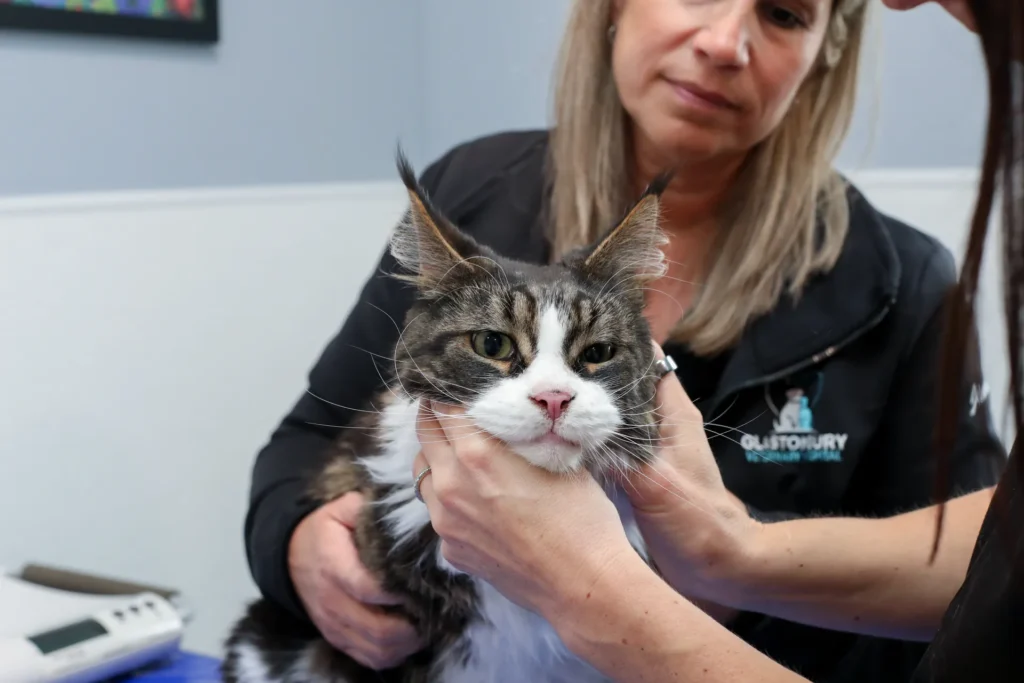
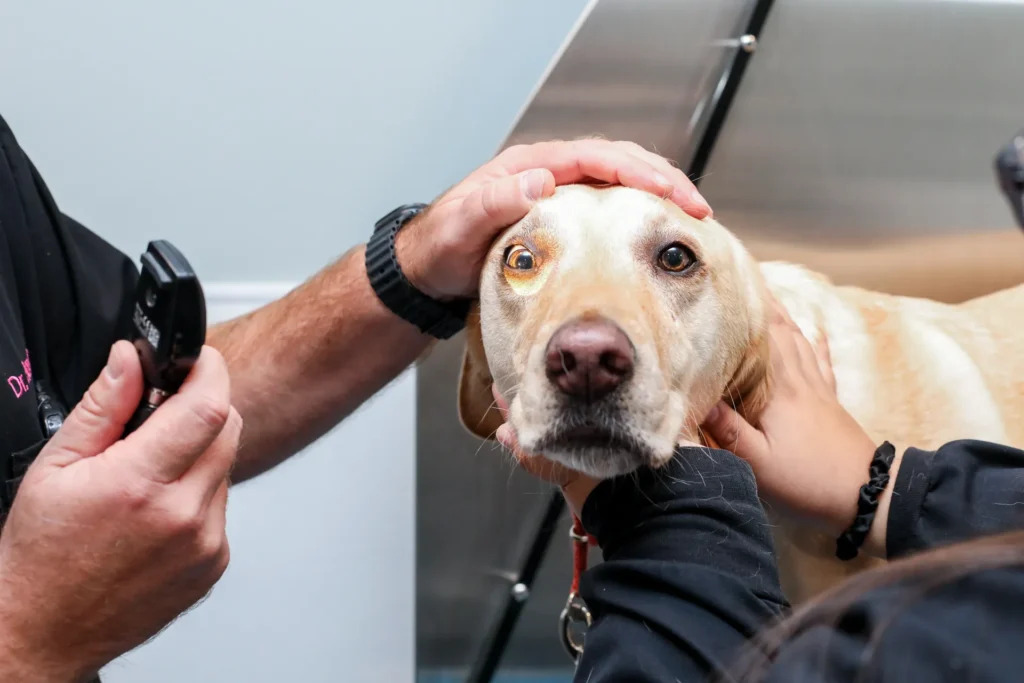
Understanding Allergies in Pets
Allergies happen when a pet’s immune system reacts to something in their environment or diet. These reactions can affect the skin, ears, digestive system, or breathing. By identifying the source of irritation, we can develop a personalized treatment plan that improves comfort and long-term health.
Common causes of allergies include:
- Environmental triggers such as pollen, dust mites, or mold
- Flea bites
- Certain food ingredients
- Contact with materials or cleaning products
Signs Your Pet May Have Allergies
Allergies can look different from pet to pet. Here are some of the most common signs we see in dogs and cats:
- Itching or scratching
- Red or irritated skin
- Hair loss or overgrooming
- Chewing or licking paws
- Recurrent ear infections
- Sneezing or watery eyes
- Vomiting or diarrhea, especially with food allergies
An exam by our veterinarians can help determine the cause of your pet’s symptoms and guide next steps.
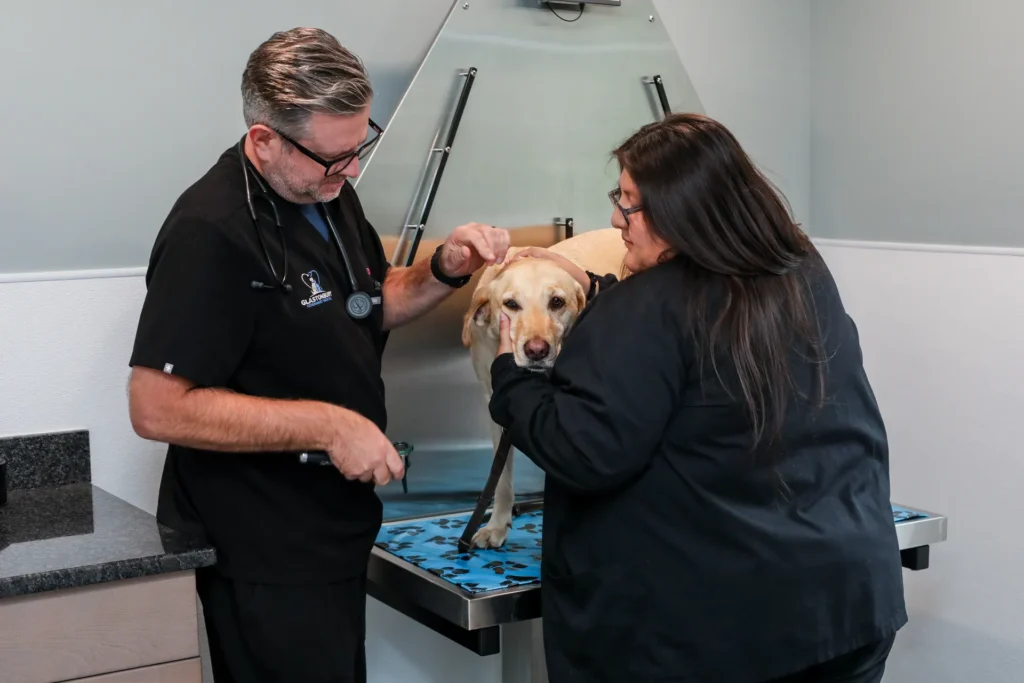
Allergy Needs in Dogs and Cats
Dogs and cats often experience allergies in different ways. Recognizing these patterns helps us create care plans that fit each pet’s unique needs.
At Glastonbury Veterinary Hospital, we consider these species-specific patterns so your pet receives care that is both accurate and personalized.
Allergies in Dogs
Dogs commonly show allergies through their skin and ears. Many dog owners notice symptoms such as:
- Licking or chewing at their paws
- Redness on the belly, armpits, or between toes
- Recurring ear infections
- Scratching that increases during certain seasons
- Irritated skin after spending time outdoors
Dogs tend to be especially sensitive to environmental allergies and flea bites.
Allergies in Cats
Cats may show more subtle signs of allergies and often hide discomfort until symptoms have progressed. Common allergy indicators in cats include:
- Overgrooming that leads to hair loss
- Itching around the face, neck, or ears
- Scabs or small bumps on the skin
- Sneezing or watery eyes
- Digestive upset that may suggest a food sensitivity
Cats are more prone to skin and gastrointestinal reactions and benefit from early, attentive care.
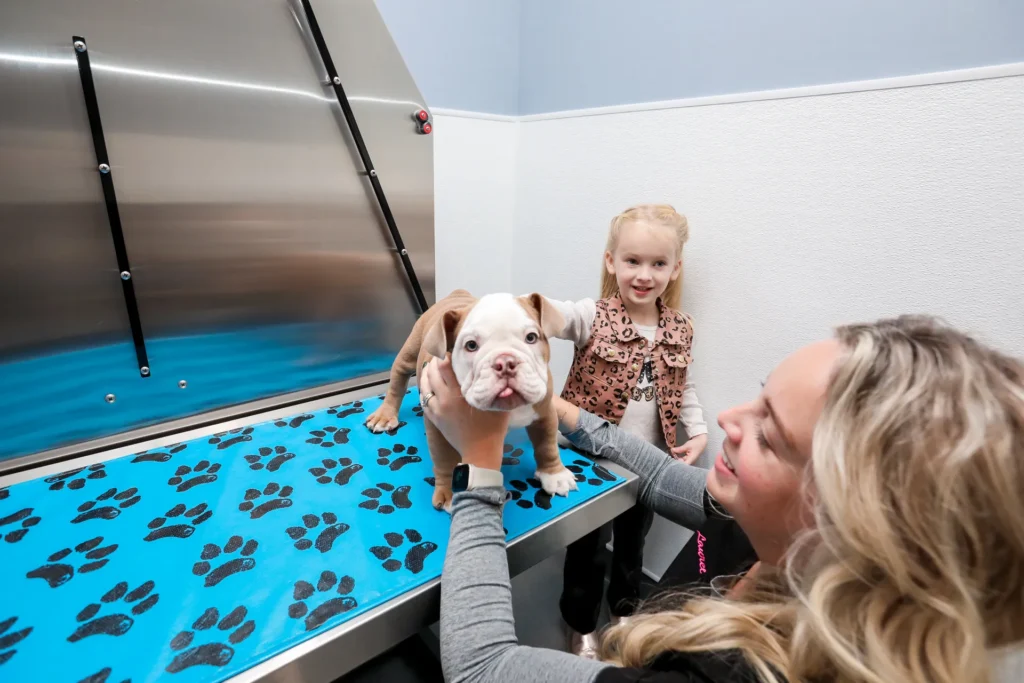
How We Diagnose Allergies
We take time to understand your pet’s symptoms and lifestyle before recommending any testing or treatment. Our approach combines a thorough exam with thoughtful evaluation.
Diagnostic steps may include:
- Skin and coat evaluation
- Checking for fleas or parasites
- Ear examination
- Blood work or lab testing
- Food trials are conducted when a dietary allergy is suspected
We work with you as a team to choose the most appropriate and effective diagnostics for your pet and your family’s lifestyle.
Treatment Options for Allergies
Many pets benefit from a combination of treatments. We tailor each plan to your pet’s specific needs and provide guidance for care at home.
Treatment options may include:
- Anti-itch or anti-inflammatory medications
- Medicated shampoos and topical treatments
- Treatment for secondary skin or ear infections
- Specialized diets or nutrition adjustments
- Flea control when flea allergies are present
- Immunotherapy for long-term allergy management
Our goal is always to reduce discomfort, prevent flare-ups, and support overall well-being.
Types of Allergies at a Glance
Why Early Care Matters
Allergies rarely resolve on their own. Early care helps prevent repeated skin infections, chronic ear problems, ongoing discomfort, and behavioral changes that can arise from persistent itching or pain. With timely treatment, pets often experience better sleep, improved mood, and fewer long-term complications.
Our Approach to Allergy Care
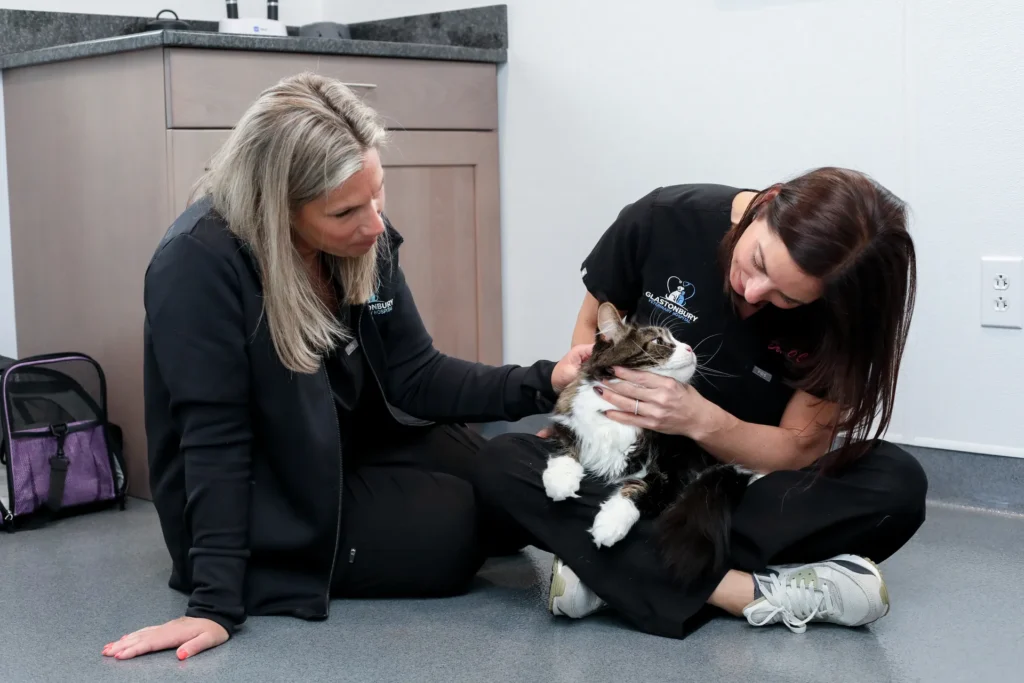
Glastonbury Veterinary Hospital is a family-owned clinic with a commitment to relationship-driven care. When you visit us, you can expect:
- A team that listens closely to your concerns
- A gentle, low-stress experience for your pet
- Clear explanations and practical recommendations
- A customized care plan based on your pet’s needs
- Support before, during, and after treatment
We want you to feel confident and cared for throughout the process.
We Are Here to Help Your Pet Feel Better
If you are seeing signs of allergies or are unsure what is causing your pet’s symptoms, we are ready to help. Our team will work with you to find answers and create a plan that supports your pet’s comfort and well-being.