
Gastrointestinal Issues and Digestive Care
Helping Glastonbury Pets Feel Better From the Inside Out
Stomach issues in pets can make them uncomfortable and stressed, and can make families feel the same way. Whether it started suddenly or has been building over time, changes in appetite, vomiting, or diarrhea are signs your pet needs support.
At Glastonbury Veterinary Hospital, we look at the full picture: your pet’s habits, recent changes, diet, environment, and medical history. With calm exams, practical diagnostics, and clear communication, we work with you to find answers and help your pet get back to feeling good again.
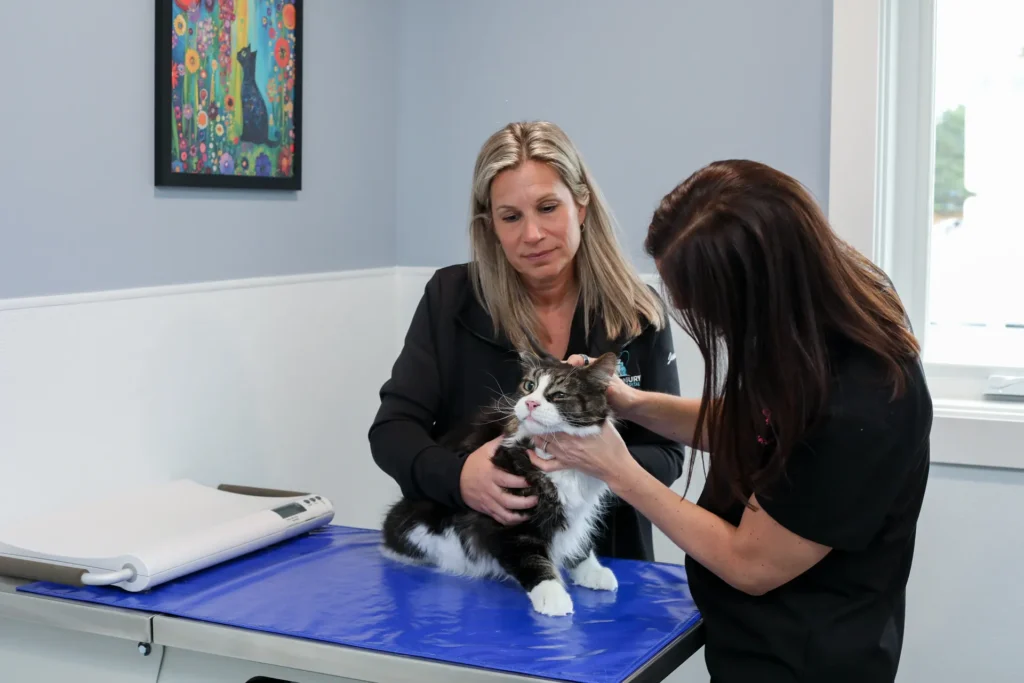
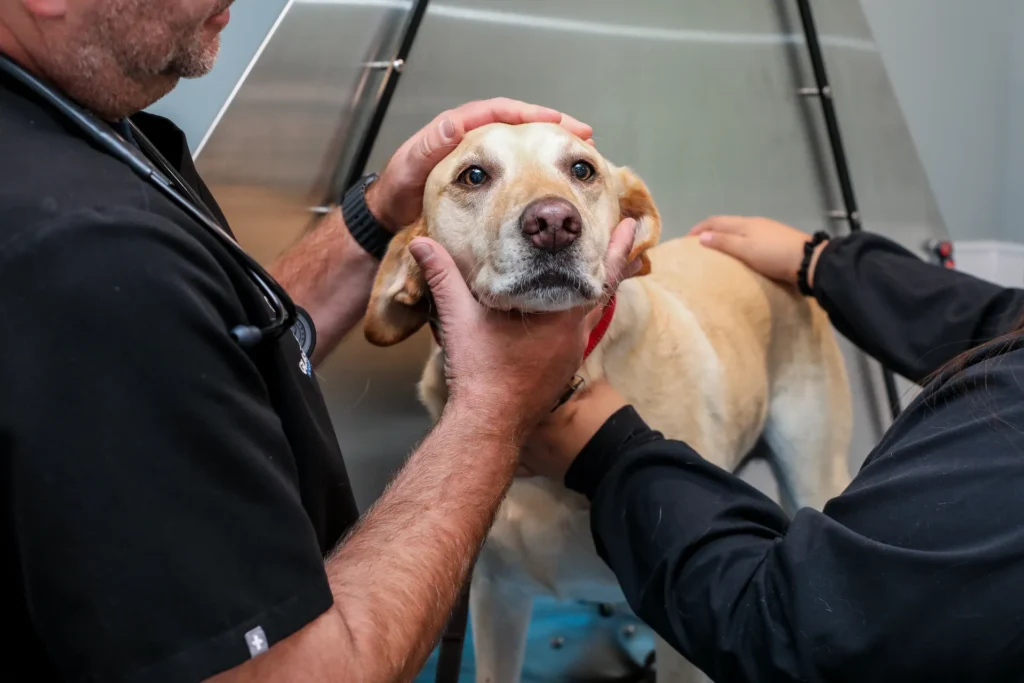
Signs of Digestive Upset in Dogs & Cats
Pets may show digestive problems through:
- Vomiting or regurgitation
- Diarrhea or soft stool
- Constipation
- Gas or abdominal discomfort
- Sudden changes in appetite
- Weight loss
- Eating grass, dirt, or unusual items
If symptoms last longer than 24–48 hours, or if your pet seems lethargic or uncomfortable, a visit is recommended.
Gastrointestinal Issues in Dogs vs. Cats: What’s Different?
Dogs are more likely to:
- Eat things they shouldn’t (foreign objects, garbage, toys)
- Get into trash, table scraps, or inappropriate foods
- Develop pancreatitis from fatty foods
- Suffer from parasitic infections from outdoor activity
- Have sudden vomiting or diarrhea that appears suddenly
Cats often have more subtle or chronic digestive issues and tend to:
- Hide symptoms longer
- Become constipated more easily
- Experience vomiting from hairballs or stomach sensitivity
- Develop inflammatory bowel disease (IBD)
- React strongly to diet changes
- Have GI issues linked to stress or underlying diseases (kidney disease, hyperthyroidism)
Key Difference:
Dogs often experience sudden gastrointestinal issues caused by something they have eaten.
Cats more often have chronic or underlying medical causes, and they hide symptoms longer, making early evaluation especially important.